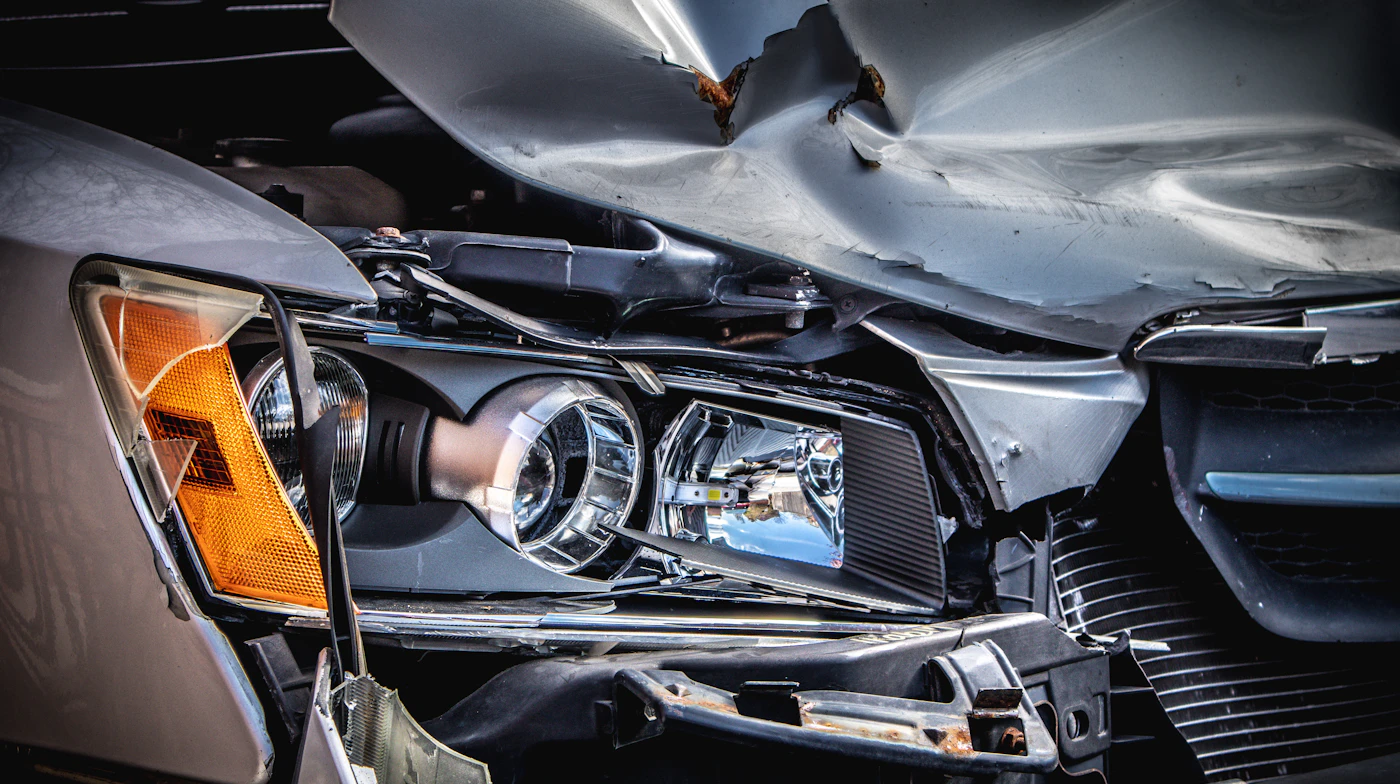
Dječje autosjedalice nakon prometne nezgode mogu biti neupotrebljive i kad na njima nema vidljivih oštećenja. Trošak novih autosjedalica tada se može tražiti od osiguratelja vozača koji je skrivio nezgodu. Kako to izgleda u praksi, pokazujemo na predmetu koji smo vodili, od europskog izvješća na mjestu nezgode do isplate naknade, a na kraju donosimo upute za one koji se nađu u istoj situaciji.
Ključne točke
- Ako je prometnu nezgodu skrivio drugi vozač, njegov osiguratelj od autoodgovornosti odgovara za uništene i oštećene stvari oštećenog, pa tako i za dječje autosjedalice (čl. 22. st. 1. Zakona o obveznim osiguranjima u prometu, „Službene novine Federacije BiH“, br. 57/20, 103/21 i 35/26 – ZOOP).
- Autosjedalice bez vidljivih oštećenja mogu biti naknadiva šteta ako proizvođač pisano potvrdi da nakon nezgode ne može jamčiti njihovu sigurnost.
- Odštetni zahtjev podnosi se izravno osiguratelju krivca. On mora u roku od 30 dana od kompletiranja zahtjeva dati obrazloženu ponudu i isplatiti naknadu u daljnjih 14 dana (čl. 12. i čl. 13. st. 1. ZOOP).
- Autosjedalice i njihove baze treba navesti već u europskom izvješću ili zapisniku te u izvidu štete, uz fotografije i račune.
- Ako osiguratelj osporava zahtjev, mora u roku od 60 dana dati obrazloženi odgovor, a oštećeni može uložiti prigovor, obratiti se ombudsmenu u osiguranju ili podnijeti tužbu (čl. 14. ZOOP).
Nezgoda u kojoj krivnja nije bila sporna
U jednom predmetu koji smo vodili drugi je vozač udario u vozilo naše stranke i za nezgodu je bio isključivo kriv. Oštećenja na vozilu nisu bila velika, a osiguratelj krivca naknadio ih je bez spora, u skladu sa zakonom i ustaljenom praksom. U vozilu su bile ugrađene dvije dječje autosjedalice s bazama (ISOFIX postoljima). Izvana nisu imale nikakvih oštećenja.
Prvi korak: autosjedalice upisane u europsko izvješće
Na naš savjet autosjedalice su upisane među oštećenim stvarima u europsko izvješće o prometnoj nesreći koje su sudionici ispunili na mjestu nezgode. Poslije su navedene i u izvidu štete koji je sačinio osiguratelj.
Taj se detalj pokazao važnim. Europsko izvješće može biti dokaz u postupku ako je uredno i potpuno popunjeno te ako su uz njega priložene fotografije oštećenja vozila i mjesta nezgode (čl. 50. st. 2. ZOOP). Kad su autosjedalice zapisane odmah, osiguratelj ne može poslije prigovoriti da nisu bile u vozilu.
Autosjedalice izgledaju ispravno: što je rekao proizvođač
Najveće pitanje bilo je kako dokazati štetu na stvarima koje izgledaju cijele. Obratili smo se proizvođaču autosjedalica i dobili pisanu izjavu. Proizvođač je u njoj naveo da sile pri udaru mogu izazvati sitne pukotine u plastici koje se golim okom ne vide. Dodao je da nakon nezgode ne može potvrditi ispravnost autosjedalica i baza, da pregled u tvornici ne bi bio razmjeran cijeni novih te da je jamstvo prestalo.
Pravno gledano, stvar koja se više ne može sigurno koristiti za svoju namjenu za oštećenog nema vrijednost, iako izgleda cijela. Taj zaključak potkrepljuje i Zakon o osnovama sigurnosti prometa na cestama u Bosni i Hercegovini („Službeni glasnik BiH“, br. 6/06, 75/06, 44/07, 84/09, 48/10, 18/13, 8/17, 89/17, 9/18, 46/23, 88/23 i 35/26 – ZOSPC). Dijete mlađe od pet godina smije se na stražnjem sjedalu prevoziti samo ispravno vezano u autosjedalici, a dijete od pet do 12 godina na podmetaču ili u autosjedalici (čl. 34a. ZOSPC). Vozač se za tu zaštitu mora pobrinuti prije vožnje (čl. 172. st. 6. ZOSPC).
Roditelji, dakle, nisu mogli voziti djecu bez autosjedalica, a nisu smjeli ni koristiti autosjedalice za koje proizvođač kaže da više nisu sigurne. Zamjena je bila posljedica nezgode, a ne njihov slobodan izbor.
U objavljenoj praksi Vrhovnog suda Federacije BiH nismo pronašli odluku koja izravno rješava pitanje autosjedalica. Riječ je o primjeni općih pravila o naknadi štete na stvarima, pa ishod ovisi prije svega o dokazima.
Odštetni zahtjev: što je priloženo i koliko je traženo
Zahtjev smo podnijeli izravno osiguratelju krivca (čl. 12. ZOOP). Uz europsko izvješće i izvid štete priložili smo izjavu proizvođača te račune za stare i nove autosjedalice. Autosjedalice i baze navedene su kao posebna stavka materijalne štete.
Traženi iznos odgovarao je cijeni novih autosjedalica, koje su bile jeftinije od starih. Taj izbor ima pravnu podlogu u Zakonu o obveznim odnosima („Službeni list SFRJ“, br. 29/78, 39/85, 45/89 i 57/89, „Službeni list RBiH“, br. 2/92, 13/93 i 13/94 i „Službene novine Federacije BiH“, br. 29/03 i 42/11 – ZOO). Zakon polazi od toga da je odgovorna osoba dužna uspostaviti stanje kakvo je bilo prije štete, a ako to nije moguće, plaća odgovarajući novčani iznos (čl. 185. st. 1. i 3. ZOO). Visina naknade određuje se prema cijenama u vrijeme donošenja odluke (čl. 189. st. 2. ZOO), a cilj je dovesti oštećenog u položaj u kojem bi bio da nezgode nije bilo (čl. 190. ZOO).
Smatramo da je kod autosjedalica prijašnje stanje uspostavljeno tek kupnjom novih autosjedalica istog ili usporedivog razreda sigurnosti. Korištene autosjedalice nisu razumna zamjena, jer kupac ne zna njihovu povijest, pa ni jesu li već bile u nezgodi. Osiguratelj bi mogao prigovoriti da naknada cijene novih autosjedalica umjesto korištenih znači korist za oštećenog, i o tome bi u sporu odlučio sud. Zahtjev postavljen na stvarno plaćen iznos, potkrijepljen računima, takvom prigovoru ostavlja malo prostora.
Odgovor osiguratelja i isplata
Osiguratelj je zahtjev prihvatio odmah, bez osporavanja osnove i visine. Isplatu je vezao uz uvjete, a naknada je isplaćena nakon što su oni ispunjeni.
Zakon postavlja jasne okvire tom dijelu postupka. Osiguratelj mora oštećenog bez odgode pisano obavijestiti koje dokumente treba dostaviti (čl. 13. st. 3. ZOOP), a smije tražiti i dodatne dokumente potrebne za utvrđivanje visine štete i isplatu (čl. 13. st. 4. ZOOP). Obrazloženu ponudu mora dati u roku od 30 dana od kompletiranja zahtjeva i platiti u daljnjih 14 dana (čl. 13. st. 1. ZOOP). Nesporni dio naknade mora isplatiti kao predujam (čl. 14. st. 3. ZOOP), a nakon isteka roka za isplatu teče zakonska zatezna kamata (čl. 14. st. 7. ZOOP).
Ništavne su odredbe ponude koje propisuju dulje rokove od zakonskih, uvjetuju isplatu potpisivanjem izvansudske nagodbe ili znače odricanje od zakonskih prava (čl. 15. ZOOP). Zato je uvjete isplate uvijek korisno provjeriti prije nego što ih se ispuni.
Što da je osiguratelj odbio zahtjev?
U ovom predmetu do spora nije došlo, ali zakon predviđa i taj scenarij. U obrazloženoj ponudi ili odgovoru osiguratelj mora uputiti oštećenog na pravo na prigovor i na tužbu (čl. 14. st. 4. ZOOP). Rok za prigovor ne smije biti kraći od 15 dana, a osiguratelj o prigovoru odlučuje u roku od 15 dana (čl. 14. st. 5. i 6. ZOOP). Nakon toga oštećeni se može obratiti ombudsmenu u osiguranju (čl. 14. st. 9. ZOOP).
Tužba podnesena prije isteka roka od 30 dana za obrazloženu ponudu smatra se preuranjenom (čl. 14. st. 4. ZOOP). Potraživanje naknade štete zastarijeva za tri godine od dana kad je oštećeni saznao za štetu i za osobu koja ju je prouzročila, a najkasnije za pet godina od nastanka štete (čl. 376. ZOO). U postupku mirnog rješavanja zahtjeva osiguratelj nije dužan naknaditi troškove pravnog zastupanja (čl. 14. st. 8. ZOOP).
Upute: što napraviti s autosjedalicama nakon prometne nezgode
- Zabilježite autosjedalice na mjestu nezgode. Upišite ih u europsko izvješće ili policijski zapisnik i fotografirajte ih u vozilu.
- Prestanite ih koristiti, ali ih sačuvajte. Autosjedalice su dokaz, a osiguratelj ih može htjeti pregledati.
- Zatražite pisanu izjavu proizvođača. Navedite modele autosjedalica i baza te datum nezgode.
- Prikupite račune. Računi za stare autosjedalice pokazuju njihovu vrijednost i starost, a računi za nove stvarni trošak zamjene.
- Podnesite odštetni zahtjev osiguratelju krivca. Navedite autosjedalice i baze kao posebnu stavku i priložite izjavu proizvođača, račune i fotografije.
- Dostavite sve dokumente što prije. Rok od 30 dana za ponudu teče tek od kompletiranja zahtjeva.
- Provjerite ponudu i uvjete isplate prije nego što ih prihvatite.
Česte pogreške
- Autosjedalice nisu navedene u europskom izvješću, zapisniku ili izvidu štete.
- Oštećeni nastavi koristiti autosjedalice, što ugrožava dijete i slabi tvrdnju da su neupotrebljive.
- Autosjedalice se bace prije nego što je postupak završen.
- Zahtjev se podnese bez izjave proizvođača.
- Baze se izostave iz zahtjeva.
Česta pitanja
Mogu li tražiti naknadu za autosjedalice koje nisu vidljivo oštećene?
Možete, ako dokažete da su autosjedalice bile u vozilu u trenutku nezgode i da se više ne smiju koristiti. Najvažniji dokaz je pisana izjava proizvođača, uz europsko izvješće ili zapisnik, izvid štete i račune.
Plaća li osiguratelj cijenu novih autosjedalica?
Zakon ne govori posebno o autosjedalicama, nego o uspostavi prijašnjeg stanja i punoj naknadi. Smatramo da je za sigurnosnu opremu jedina razumna zamjena nova autosjedalica, ali osiguratelj može prigovoriti da je oštećeni time dobio više nego što je imao. Zahtjev potkrijepljen računima za nove autosjedalice najlakše je obrazložiti.
Što ako su djeca bila u vozilu koje je skrivilo nezgodu, na primjer kod rođaka?
Osiguranje od autoodgovornosti pokriva i stvari putnika u vozilu kojim je šteta prouzročena (čl. 22. st. 3. ZOOP). Pravo na naknadu štete na stvarima nemaju vlasnik, suvlasnik i korisnik tog vozila (čl. 24. st. 2. t. b) ZOOP).
Kome se obratiti?
Ako ste se našli u sličnoj situaciji, možete nam se obratiti. Vodili smo ovaj i slične predmete naknade štete iz prometnih nezgoda, pa vas možemo uputiti u pojedinosti koje ovaj tekst ne obrađuje, primjerice trebaju li se stare autosjedalice predati osiguratelju krivca i kada.
Zaključak
Predmet pokazuje da autosjedalice koje su bile u vozilu tijekom nezgode mogu biti naknadiva šteta i kad izgledaju neoštećeno, jer o njihovoj sigurnosti odlučuje ono što se ne vidi. Presudni su bili zapis autosjedalica u europskom izvješću, izjava proizvođača i zahtjev potkrijepljen računima. Svakome tko se nađe u sličnoj situaciji preporučujemo da te dokaze osigura odmah i da uvjete isplate provjeri prije nego što ih prihvati.
Ovaj tekst ima informativni karakter i ne predstavlja pravni savjet. Primjena propisa na konkretan slučaj zahtijeva zasebnu pravnu analizu. Tekst odražava stanje propisa i sudske prakse na dan objave.
Child car seats can be unusable after a traffic accident even when they show no visible damage. The cost of new car seats can then be claimed from the insurer of the driver who caused the accident. We show how this works in practice using a case we handled, from the European Accident Statement completed at the scene to payment of compensation, and at the end we offer guidance for anyone who finds themselves in the same situation.
Key points
- If the accident was caused by another driver, that driver's motor third-party liability insurer is liable for the injured party's destroyed and damaged property, including child car seats (Art. 22(1) of the Law on Compulsory Insurance in Traffic, Official Gazette of the Federation of BiH, Nos. 57/20, 103/21 and 35/26 – ZOOP).
- Car seats with no visible damage may constitute compensable loss if the manufacturer confirms in writing that it can no longer guarantee their safety after the accident.
- The claim is filed directly with the at-fault driver's insurer. The insurer must make a reasoned offer within 30 days of the claim being complete and pay compensation within a further 14 days (Art. 12 and Art. 13(1) ZOOP).
- Car seats and their bases should be listed in the European Accident Statement or police report and in the damage assessment from the outset, together with photographs and receipts.
- If the insurer disputes the claim, it must give a reasoned response within 60 days, and the injured party may file an objection, turn to the insurance ombudsman or bring an action in court (Art. 14 ZOOP).
An accident in which fault was not in dispute
In one case we handled, another driver crashed into our client's vehicle and was solely at fault for the accident. The damage to the vehicle was not extensive, and the at-fault driver's insurer compensated it without dispute, in line with the law and established practice. Two child car seats with bases (ISOFIX bases) were installed in the vehicle. On the outside, they showed no damage at all.
The first step: car seats entered in the European Accident Statement
On our advice, the car seats were listed among the damaged property in the European Accident Statement that the parties completed at the scene. They were later also included in the damage assessment prepared by the insurer.
That detail proved important. A European Accident Statement may serve as evidence in proceedings if it is properly and fully completed and accompanied by photographs of the damage to the vehicles and of the accident scene (Art. 50(2) ZOOP). When the car seats are recorded straight away, the insurer cannot later object that they were not in the vehicle.
The car seats look intact: what the manufacturer said
The biggest question was how to prove damage to items that look intact. We contacted the car seat manufacturer and obtained a written statement. In it, the manufacturer explained that the forces of an impact can cause fine cracks in the plastic that are invisible to the naked eye. It added that after an accident it cannot confirm that the car seats and bases are in proper working order, that a factory inspection would not be proportionate to the price of new seats, and that the warranty had ceased to apply.
From a legal point of view, an item that can no longer be used safely for its intended purpose has no value to the injured party, even if it looks intact. This conclusion is also supported by the Law on the Fundamentals of Road Traffic Safety in Bosnia and Herzegovina (Official Gazette of BiH, Nos. 6/06, 75/06, 44/07, 84/09, 48/10, 18/13, 8/17, 89/17, 9/18, 46/23, 88/23 and 35/26 – ZOSPC). A child under the age of five may be carried in the rear seat only when properly secured in a child car seat, and a child aged five to 12 on a booster cushion or in a child car seat (Art. 34a ZOSPC). The driver must ensure this protection before setting off (Art. 172(6) ZOSPC).
The parents therefore could not drive their children without car seats, nor were they allowed to use car seats that the manufacturer said were no longer safe. Replacing them was a consequence of the accident, not their own free choice.
In the published case law of the Supreme Court of the Federation of BiH, we found no decision that directly addresses the question of child car seats. This is a matter of applying the general rules on compensation for damage to property, so the outcome depends above all on the evidence.
The claim: what was submitted and how much was claimed
We filed the claim directly with the at-fault driver's insurer (Art. 12 ZOOP). In addition to the European Accident Statement and the damage assessment, we enclosed the manufacturer's statement and the receipts for both the old and the new car seats. The car seats and bases were listed as a separate item of property damage.
The amount claimed corresponded to the price of the new car seats, which were cheaper than the old ones. This approach has a legal basis in the Law on Obligations (Official Gazette of the SFRY, Nos. 29/78, 39/85, 45/89 and 57/89, Official Gazette of the RBiH, Nos. 2/92, 13/93 and 13/94, and Official Gazette of the Federation of BiH, Nos. 29/03 and 42/11 – ZOO). The Law starts from the principle that the liable person must restore the situation that existed before the damage occurred and, where that is not possible, pay an appropriate sum of money (Art. 185(1) and (3) ZOO). The amount of compensation is determined according to prices at the time the decision is made (Art. 189(2) ZOO), and the aim is to put the injured party in the position they would have been in had the accident not occurred (Art. 190 ZOO).
In our view, in the case of child car seats, the previous situation is restored only by purchasing new car seats of the same or a comparable safety class. Used car seats are not a reasonable substitute, because the buyer does not know their history, including whether they have already been in an accident. The insurer could object that compensating the price of new rather than used car seats amounts to a gain for the injured party, and in a dispute that would be for the court to decide. A claim based on the amount actually paid, supported by receipts, leaves little room for such an objection.
The insurer's response and payment
The insurer accepted the claim immediately, without disputing either liability or the amount. It made payment subject to conditions, and the compensation was paid once those conditions had been met.
The law sets clear limits for this stage of the procedure. The insurer must notify the injured party in writing, without delay, of the documents to be submitted (Art. 13(3) ZOOP), and may also request additional documents needed to determine the amount of the loss and make payment (Art. 13(4) ZOOP). It must make a reasoned offer within 30 days of the claim being complete and pay within a further 14 days (Art. 13(1) ZOOP). It must pay the undisputed part of the compensation as an advance (Art. 14(3) ZOOP), and statutory default interest runs once the payment deadline has expired (Art. 14(7) ZOOP).
Any terms of an offer that set longer deadlines than those provided by law, make payment conditional on signing an out-of-court settlement, or amount to a waiver of statutory rights are null and void (Art. 15 ZOOP). It is therefore always worth checking the conditions of payment before meeting them.
What if the insurer had rejected the claim?
In this case there was no dispute, but the law also provides for that scenario. In its reasoned offer or response, the insurer must inform the injured party of the right to file an objection and to bring an action in court (Art. 14(4) ZOOP). The deadline for filing an objection may not be shorter than 15 days, and the insurer decides on the objection within 15 days (Art. 14(5) and (6) ZOOP). After that, the injured party may turn to the insurance ombudsman (Art. 14(9) ZOOP).
An action brought before the 30-day period for a reasoned offer has expired is considered premature (Art. 14(4) ZOOP). A claim for compensation becomes time-barred three years from the day the injured party learned of the damage and of the person who caused it, and in any event five years from the day the damage occurred (Art. 376 ZOO). In the out-of-court claims procedure, the insurer is not obliged to reimburse the costs of legal representation (Art. 14(8) ZOOP).
Guidance: what to do with child car seats after a traffic accident
- Record the car seats at the scene. Enter them in the European Accident Statement or the police report and photograph them in the vehicle.
- Stop using them, but keep them. The car seats are evidence, and the insurer may want to inspect them.
- Ask the manufacturer for a written statement. State the models of the car seats and bases and the date of the accident.
- Gather the receipts. Receipts for the old car seats show their value and age, and receipts for the new ones show the actual cost of replacement.
- File a claim with the at-fault driver's insurer. List the car seats and bases as a separate item and enclose the manufacturer's statement, the receipts and photographs.
- Submit all documents as soon as possible. The 30-day period for the offer runs only once the claim is complete.
- Check the offer and the conditions of payment before you accept them.
Common mistakes
- The car seats are not listed in the European Accident Statement, the police report or the damage assessment.
- The injured party keeps using the car seats, which puts the child at risk and weakens the claim that they are unusable.
- The car seats are thrown away before the procedure is complete.
- The claim is filed without the manufacturer's statement.
- The bases are left out of the claim.
Frequently asked questions
Can I claim compensation for car seats that are not visibly damaged?
Yes, if you prove that the car seats were in the vehicle at the time of the accident and may no longer be used. The most important evidence is the manufacturer's written statement, together with the European Accident Statement or police report, the damage assessment and the receipts.
Will the insurer pay the price of new car seats?
The law does not deal with car seats specifically, but with restoring the previous situation and full compensation. In our view, the only reasonable replacement for safety equipment is a new car seat, but the insurer may object that the injured party has thereby received more than they had. A claim supported by receipts for the new car seats is the easiest to justify.
What if the children were in the vehicle that caused the accident, for example with relatives?
Motor third-party liability insurance also covers the property of passengers in the vehicle that caused the damage (Art. 22(3) ZOOP). The owner, co-owner and user of that vehicle are not entitled to compensation for damage to property (Art. 24(2)(b) ZOOP).
Who can I contact?
If you find yourself in a similar situation, you are welcome to contact us. We have handled this and similar cases of compensation for damage arising from traffic accidents, so we can advise you on details this article does not cover, for example whether and when the old car seats should be handed over to the at-fault driver's insurer.
Conclusion
This case shows that car seats that were in the vehicle during an accident can be compensable loss even when they look undamaged, because their safety depends on what cannot be seen. The decisive factors were recording the car seats in the European Accident Statement, the manufacturer's statement and a claim supported by receipts. We recommend that anyone in a similar situation secure this evidence straight away and check the conditions of payment before accepting them.
This article is for general information purposes only and does not constitute legal advice. Applying the regulations to a specific case requires a separate legal analysis. The article reflects the state of the law and case law on the date of publication.